Lip balm is usually the first thing people reach for when their lips crack. It feels protective instantly. But if you are reapplying every hour and still feeling tight, that is a sign you are sealing the problem, not fixing it.
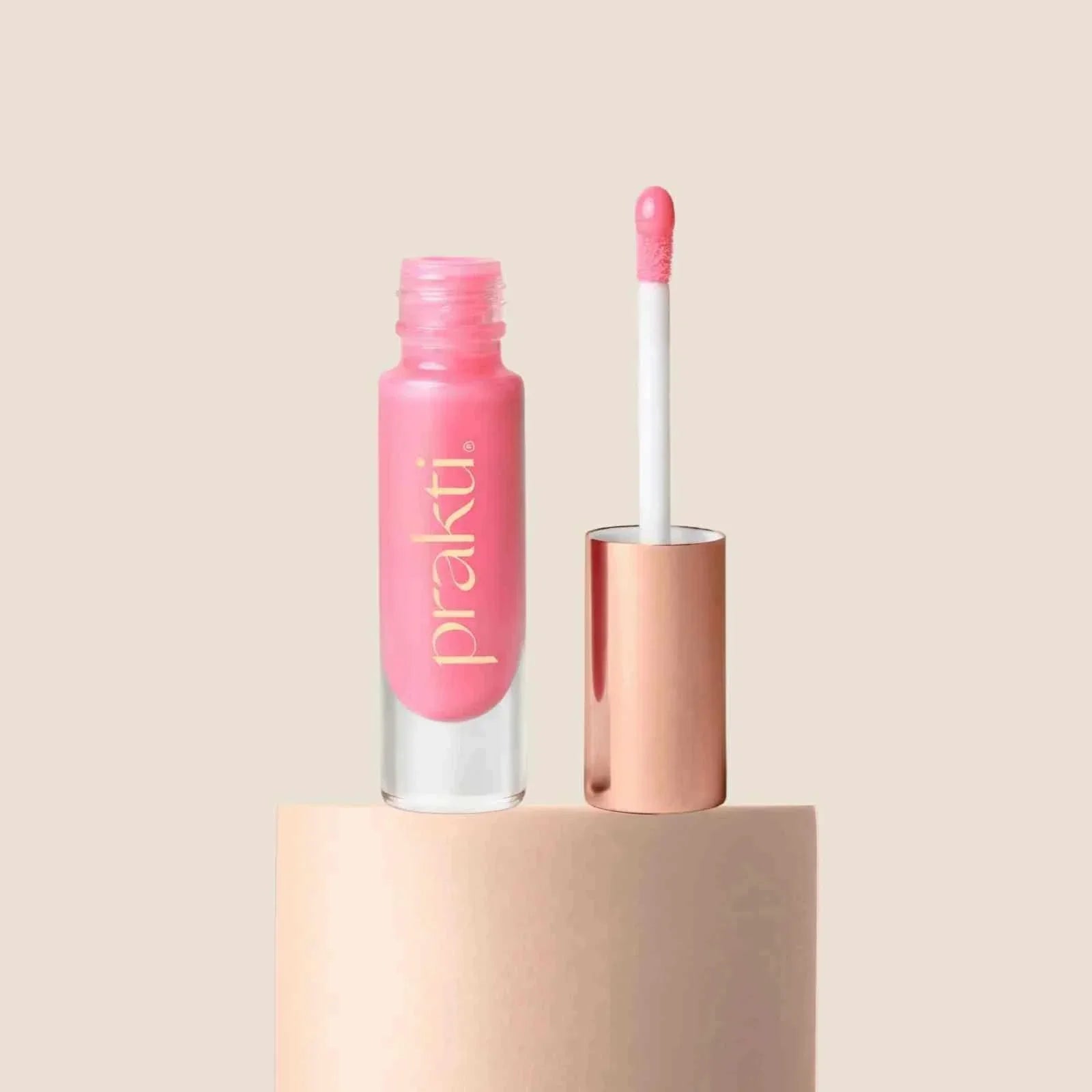
A well formulated lip oil is different. It is built to soften and condition like skincare, while still giving that rich gloss finish people want. When the texture is right, you get comfort without the sticky, heavy feel of traditional gloss.
This guide breaks down lip oil vs balm in a way that helps you choose the right option, then shows you how to use KhushiKiss as a short treatment routine that fits real life.
Lip Oil vs Balm (What Helps Right Now vs What Helps Long Term)
| Category | Main job | Feel on lips | Best use |
|---|---|---|---|
|
KhushiKiss lip oil Gloss + treatment |
Conditioning oils plus moisture support for comfort | Glossy slip, cushiony feel, designed to avoid sticky drag | Daytime shine, quick comfort, overnight lip mask |
|
Traditional balm Seal + protect |
Occlusive layer that reduces moisture loss | Waxy, thick, can feel coated | Wind and cold protection, travel, outdoors |
Research notes: Occlusive products help reduce transepidermal water loss (TEWL), which is one reason balms can feel protective. Chapped-lip guidance also recommends avoiding irritants and using gentle, fragrance-light products. Sources: American Academy of Dermatology, NCBI Bookshelf (skin barrier/TEWL overview).

Why Balms Feel Good Fast but Do Not Always Fix Dry Lips
Many balms are built around waxes and occlusives. That is useful for protection because it slows moisture loss. The problem is that protection alone does not always change how lips feel if they are already rough, irritated, or dehydrated.
Friction matters too. When lips are textured, waxy formulas can drag in thin layers. That drag can trigger more lip licking, more rubbing, and more reapplying, which keeps the surface irritated.
If you love balm, use it as a top layer when you are outside in wind or cold. For day to day comfort, most people do better with a conditioning layer that feels smooth and flexible.

Why Lip Oil Can Treat and Still Give Rich Gloss
A good lip oil is built around slip. That means it can soften roughness and reduce the tight feeling without turning heavy. You get shine, but you also get comfort as your lips move throughout the day.
The best formulas combine emollients that smooth the surface with ingredients that support hydration. This is why lip oil can feel more “treating” than a shine only gloss.
Hyaluronic acid is widely used to support skin hydration because it can bind water in the outer layers. When hydration support is paired with conditioning oils, lips often feel less tight over time.
Ingredient note: Hyaluronic acid is commonly used for hydration support due to water-binding properties in skin. Source: NCBI review on hyaluronic acid.
KhushiKiss Routine (Short Steps That Actually Work)
Morning: One thin layer after brushing teeth. This prevents that dry, tight start that makes you chase balm all day.
Midday: One quick swipe when lips feel tight. Do not over-layer. One reset is usually enough.
Night: A thicker layer as an overnight mask. Leave it alone until morning.

3 Mistakes That Keep Lips Dry Even With Good Products
Using lip care once per day: Lips lose moisture quickly. Two touchpoints (morning and night) usually work better than one random application.
Scrubbing cracks: If lips are splitting, scrubs can worsen irritation. Focus on comfort first, gentle smoothing later.
Staying with irritants: Strong fragrance and flavor can keep sensitive lips reactive. If you are often chapped, simplifying your routine for a week can make a big difference.
Care note: Dermatology guidance for chapped lips often recommends avoiding irritants and using gentle products. Source: American Academy of Dermatology.
The Bottom Line
Lip balm is excellent for protection, especially outdoors. But if you want rich gloss and deep comfort, a treatment focused lip oil is usually the better daily choice.
Keep it simple. One swipe in the morning, one thicker layer at night, and one midday reset only if you need it.
If you want the easiest upgrade, start with one shade you will actually wear daily and treat it like skincare, not makeup.