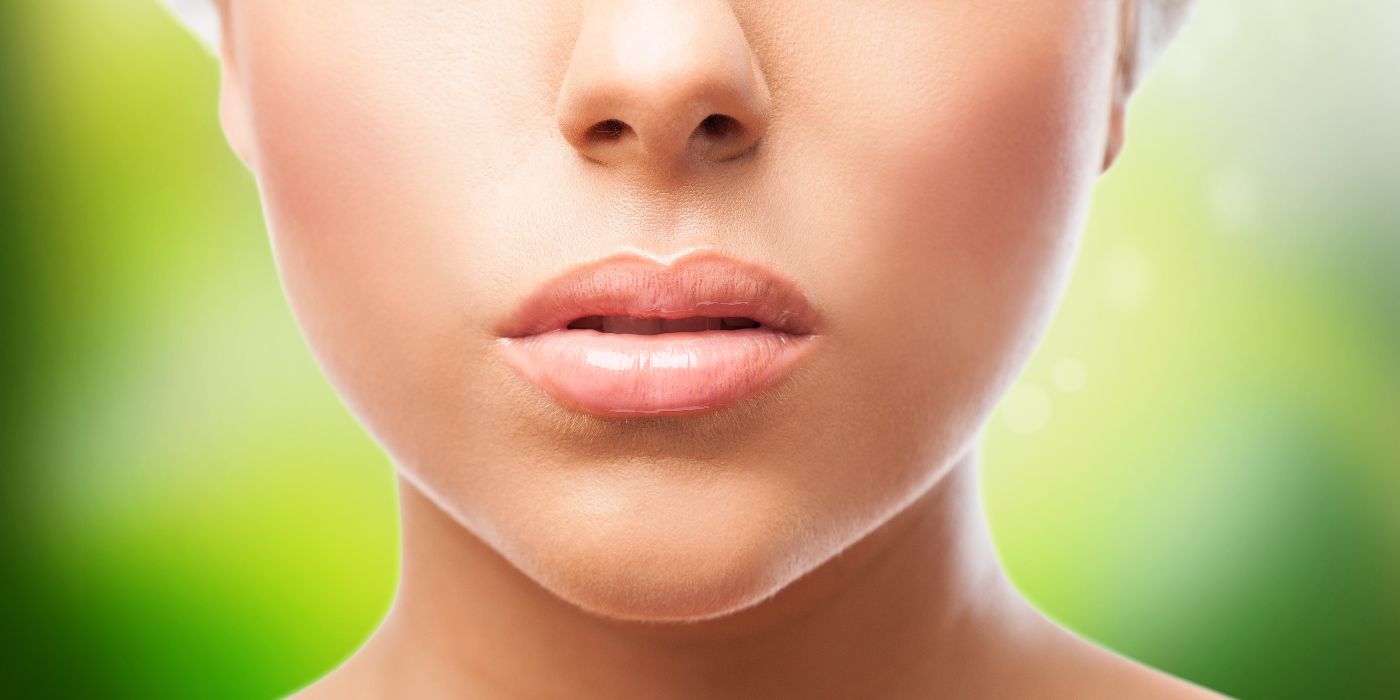
Dry, cracked lips are not just a winter problem. Air conditioning, heaters, matte lipsticks, long workdays and constant coffee runs all pull moisture out of that very thin skin. Most people respond by grabbing the thickest balm or gloss they can find and layering it on. The result is a shiny film that feels comforting for ten minutes, then somehow your lips look even more dehydrated.
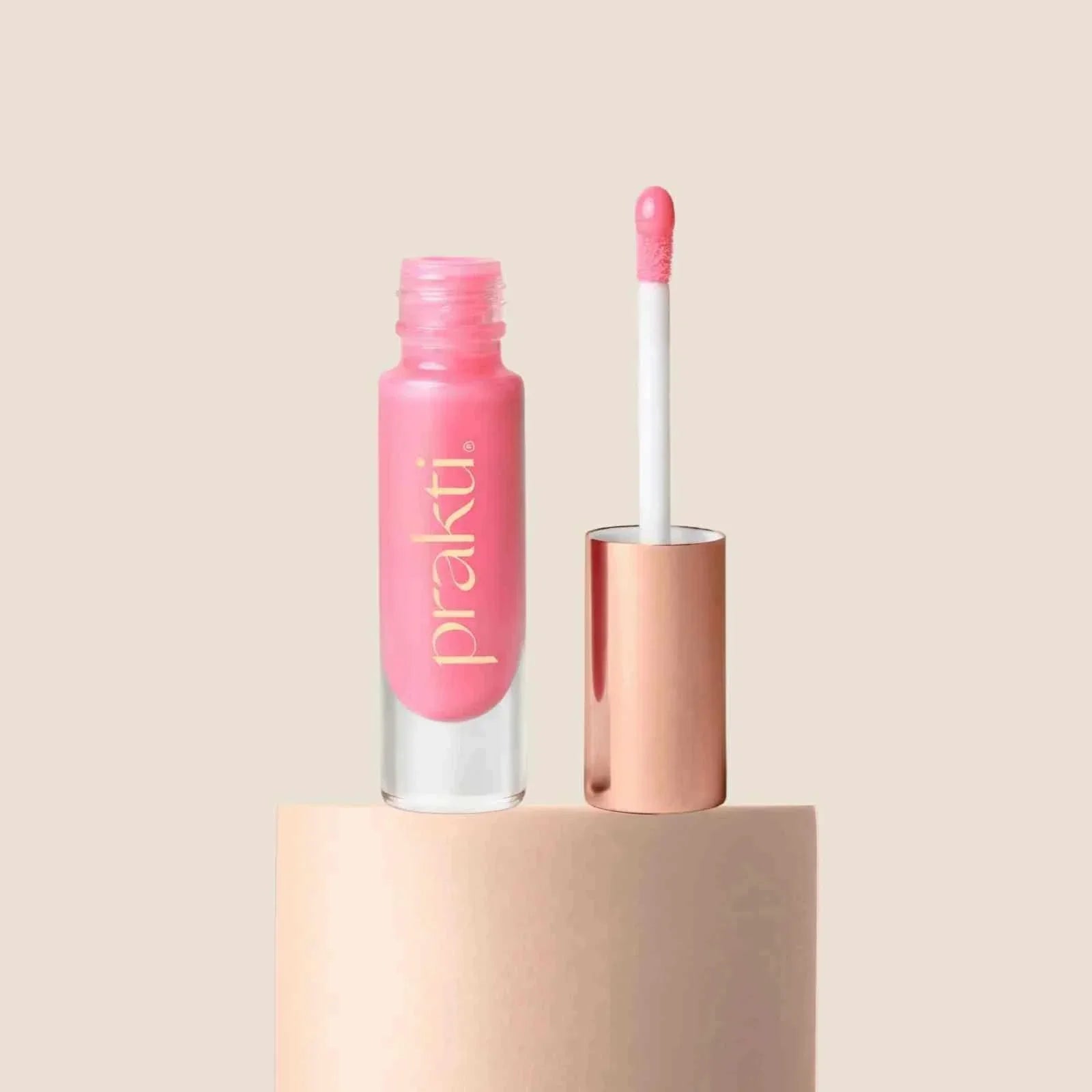
The real solution is not “more product”. It is the right type of moisture, in the right formula, applied in the right way. A good moisture rich lip oil gives you treatment, comfort and gloss in one step, without the heavy sticky feeling of traditional gloss.
Let us break down how to actually fix dry, cracked lips and what to look for in a truly nourishing lip oil.
Moisture-Rich Lip Oil vs Other Lip Treatments (What Actually Changes Your Lips)
| What you are using | How it feels | What it does long term | Best for |
|---|---|---|---|
|
Moisture-rich lip oil Treatment + shine |
Cushiony slip, glossy, not sticky when formulated well | Supports softness and comfort by pairing emollients with moisture holding ingredients | Dry, tight lips that need comfort plus a polished finish |
|
Classic wax balm Occlusive film |
Waxy, thick, can feel “sealed” | Helps reduce water loss, but often does not add hydration on its own | Short term protection outdoors, wind, cold |
|
Sticky gloss Shine first |
Shiny, tacky, can feel heavy | Often cosmetic only, may not address dryness underneath | High shine looks when lips are already comfortable |
|
Harsh lip scrub Barrier risk |
Gritty, can sting on cracks | Can worsen flaking if over used or used on broken skin | Only when lips are healed and you need light smoothing |
Research notes: Lips have a thinner barrier than most facial skin and lose moisture easily. Humectants like hyaluronic acid bind water, and occlusives reduce transepidermal water loss (TEWL). Sources: American Academy of Dermatology (chapped lips guidance), NCBI Bookshelf (skin barrier / TEWL basics), NCBI (hyaluronic acid hydration mechanisms).

Why Your Lips Keep Getting Dry and Cracked
Before you can fix your lips, it helps to know why they keep rebelling.
1. Lip skin is thinner and more exposed
Your lips have a weaker barrier and fewer natural oils compared to other skin. That means water escapes faster, and irritation shows up quicker as flakes, redness, or splitting.
2. Everyday habits quietly strip your lips
Lip licking makes things worse because saliva evaporates fast and leaves lips drier than before.
Matte and long wear lipsticks can dehydrate the surface, especially if you wear them daily without a nourishing base.
Over scrubbing with gritty scrubs can damage the barrier that your lips are trying to rebuild.

Why Typical Balms and Glosses Often Make It Worse
1. Wax heavy balms protect, but may not hydrate
Many balms form a protective film. That can reduce water loss, but it does not always add hydration or comfort underneath unless the formula also includes moisture binding ingredients.
2. Sticky gloss is shine, not care
Traditional gloss focuses on a shiny finish. If your lips are already cracked, a heavy tacky layer can feel uncomfortable and does not solve the dryness underneath.

What Actually Makes a Moisture-Rich Lip Oil Different
1. Softening oils that fill roughness
A good lip oil uses lightweight emollients to smooth cracks and soften texture without feeling greasy.
2. Moisture binding ingredients for real comfort
Humectants like hyaluronic acid can hold water near the surface. The key is pairing them with emollients so moisture does not evaporate quickly.
3. Barrier support so lips stay calm
Look for soothing, protective ingredients and formulas made for daily use. This is what turns “gloss” into a lip treatment you can rely on.
Ingredient note: Hyaluronic acid is widely used to improve hydration by binding water in the skin’s outer layers. Source: NCBI review on hyaluronic acid in skin hydration.

A Fast Routine to Heal Dry, Cracked Lips
Keep this simple. Consistency beats complicated steps.
Step 1: Stop the triggers for 48 hours
- Skip matte lipstick and tingling plumpers
- Do not scrub or pick flakes
- Avoid licking your lips
Step 2: Clean once at night
- Use your face cleanser and gently wash over lips
- Pat dry, do not rub
Step 3: Overnight lip oil “mask”
- Apply a generous layer before bed
- Press lips together lightly, then leave it alone
By day 3, lips usually feel less tight. By day 7, most people notice fewer flakes and smoother lipstick application when they stay consistent.
How to Choose the Right Lip Oil for Your Lips
If you are cracked and sore
Go for cushiony texture and a calming, fragrance light formula. The goal is comfort first.
If you are tight but not flaky
Look for hydration language and a formula you can reapply without feeling heavy.
If you wear lipstick daily
Choose a non sticky oil that layers smoothly under color and refreshes shine without sliding.
The Bottom Line
Dry, cracked lips are not a sign you need thicker gloss. They are a sign your barrier needs moisture plus protection. When you use the right lip oil and keep the routine short, your lips stop cycling between “fine” and “wrecked”.
FAQ
Do lip oils actually help dry, cracked lips?
What is the difference between lip oil and lip gloss?
How often should I apply lip oil for best results?
Can I use lip oil under lipstick without it sliding?
Should I exfoliate dry lips or avoid it?
Why do my lips stay dry even when I use lip balm?
Care note: If lips are cracked, inflamed, or you have frequent irritation, dermatology guidance typically recommends avoiding irritants and focusing on gentle, protective products. Source: American Academy of Dermatology guidance on chapped lips.