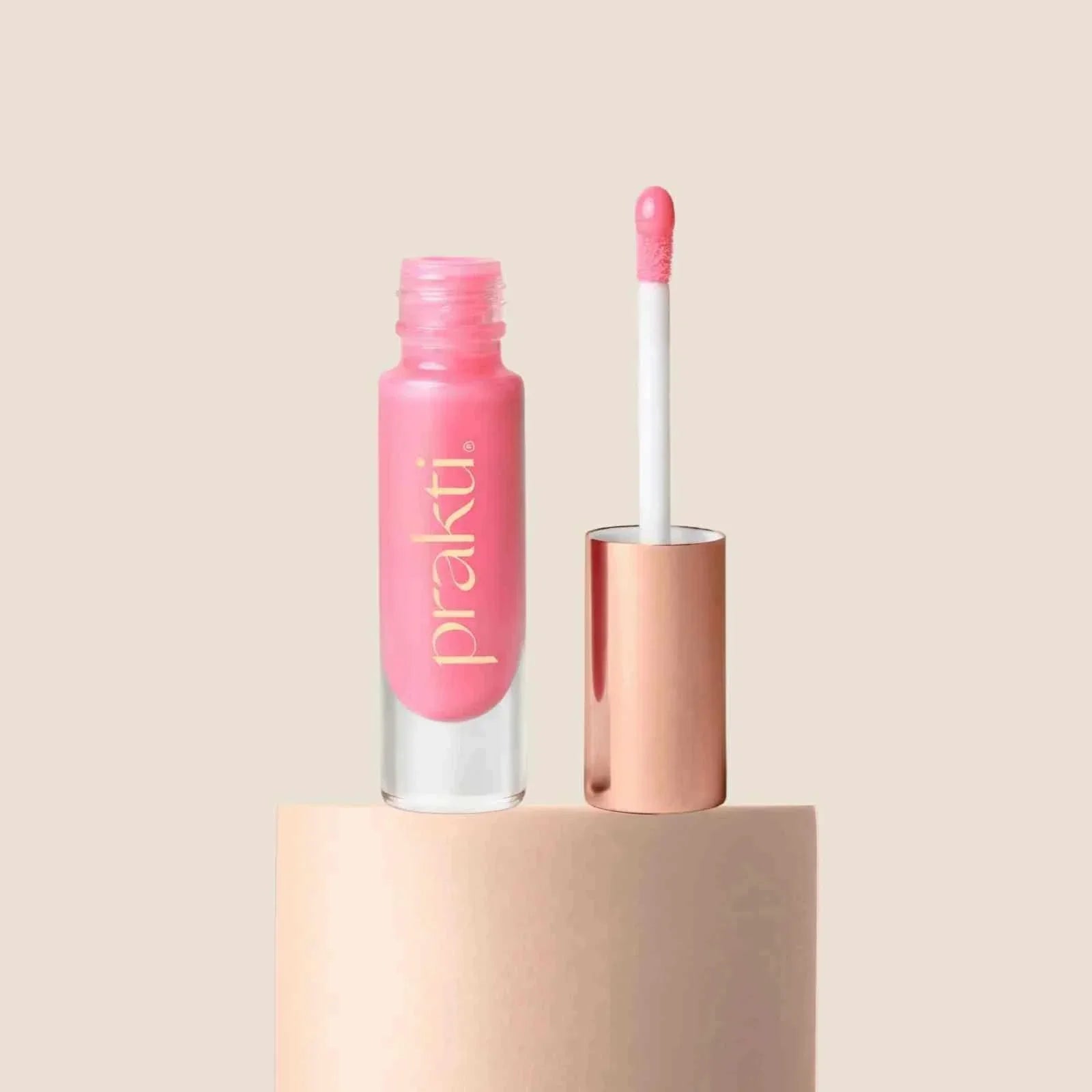
Beauty editors do not fall in love with lip products because they are shiny. They fall in love because the shine lasts, the comfort lasts, and the lips look healthier even when the product is gone.
That is why “clean lip oils” became the quiet power move. When your lips are dry, flaky, or constantly craving balm, waxy layers and sticky gloss rarely fix the root problem. They cover it, then fade, then you reapply. Your lips stay stuck in the same loop.
A high shine lip oil earns editor approval when it behaves like skincare first and makeup second. It should soften roughness fast, protect the lip surface from moisture loss, and still give the kind of glossy finish people usually only get from traditional gloss.

| What you care about | KushiKiss™ Lip Oil | Typical balm | Traditional sticky gloss |
|---|---|---|---|
| Feel on lips | Silky slip, cushion, no tacky strings | Waxy film, can feel heavy | Sticky pull, can feel suffocating |
| What it does best | Comfort + shine + treatment in one step | Seals dryness but often does not “rehydrate” | Shine and volume look, not true repair |
| Reapplication loop | Less constant reapply because lips stay comfortable | Often frequent reapply, especially indoors | Frequent touch ups, especially after drinks |
| Finish | Glass shine without stick | Soft sheen | Ultra shine, often tacky |
| Best for | Dry, cracked, tight lips that want shine and care | Simple barrier layer, minimal shine | Occasional glam, not lip recovery |
Why editors pay attention to lip oils first
Editors test products the way real life breaks them. Long days. Cold air. Hot coffee. Matte lipstick leftovers. That is when lips crack, not when you are standing still in perfect humidity.
Lip skin is naturally disadvantaged. It is thinner than facial skin and holds moisture poorly, which is why dehydration shows up fast as flakes, lines, and splitting. That structure is also why irritation shows up faster on lips than on cheeks.1
A clean, high shine lip oil becomes the “editor staple” when it can do three jobs without drama. It must smooth texture, keep lips comfortable, and look good enough to wear alone. One product. Zero fuss. Strong results.

What “clean” should actually mean for lip oils
Clean is not a marketing vibe. For editors, “clean” earns respect when it also means low irritation, comfortable wear, and smart formulation choices.
For lips, that usually comes down to what is not in the formula. Harsh fragrance overload. Aggressive tingles. Strong sensitizers that feel exciting for ten minutes but create dryness later. If your lips are already cracked, “刺激” is not your friend.
Clean also means the formula behaves predictably. It should not pill on top of lipstick. It should not separate into weird layers. It should not turn gummy on the inner lip line. Editors notice these details because readers complain about them first.
The real reason high shine can still be treatment
Most people think shine equals “coating.” Editors think shine can be a vehicle. When shine comes from a silky oil base, you can deliver comfort while you deliver gloss.
The best lip oils behave like a lightweight occlusive plus conditioning layer. They soften the surface quickly so your lips look smoother, and they reduce that tight, stretched feeling that makes you lick your lips all day.
When you stop lip licking, lips improve. That is not motivational talk. Lip licking dermatitis is a real cycle, and dermatology guidance consistently recommends bland, protective lip products and stopping the licking habit because saliva evaporation worsens dryness.2

How editors judge a lip oil in 30 seconds
If you want to understand editor logic, here is the fast checklist. It is ruthless. It is also fair.
1) Does it feel expensive on contact?
A great lip oil has immediate slip. Not watery. Not sticky. It should glide like a serum and cushion like a treatment.
2) Does it fix texture, not just hide it?
Within minutes, the lips should look smoother. Flakes should appear less obvious. Vertical lines should soften. If shine only highlights texture, it fails.
3) Does it stay comfortable after the shine fades?
This is the real test. A product that leaves lips feeling worse after it wears off is not a treatment. It is a temporary costume.
4) Does it layer without chaos?
Editors love products that play well with others. A great lip oil can go under lipstick as a prep layer, or on top as a glossy finish, without breaking color apart.
The lip oil structure that actually makes sense
High performing lip oils usually succeed because they balance three functions. Comfort, hydration support, and barrier help.
Comfort layer: emollients that make lips feel smooth
This is the “my lips feel instantly better” part. Emollients soften edges, reduce roughness, and make the surface feel more even.
Hydration support: humectant logic, used correctly
Humectants attract water, which is why they are loved for plumpness and comfort. Hyaluronic acid is famous here because it can bind large amounts of water relative to its weight, which supports that juicy, cushioned feel people associate with “hydration.”3
Barrier help: lipids that reduce moisture loss
Barrier support is why lips stop feeling tight. Ceramides and ceramide-like lipids are important because they help the barrier reduce water loss and maintain moisture balance in skin.4

High shine mistakes that make lip products feel “cheap”
Editors avoid recommending products that create the same three problems again and again. If you see these, it explains why a product gets used twice, then ignored.
1) The “sticky string” problem
If you can feel it when you talk, it is too sticky. That texture makes people apply less, which means they get less benefit.
2) The inner rim breakdown
Some formulas melt into the inner lip line and look messy fast. Editors hate this because it photographs badly and feels unhygienic by midday.
3) The “shine that highlights flakes” problem
If your lips are peeling, ultra reflective gloss can make flakes look worse. A better formula smooths first, then shines.
4) The “I need a balm under this” problem
If a gloss needs a balm underneath to be comfortable, it is not really comfortable. Editors want one-step wins.
A short, editor-style routine for glossy, healthy lips
This is the fastest routine that actually changes lip texture, not just appearance. No long steps. No complicated rituals.
Step 1: One gentle reset at night (10 seconds)
When you cleanse your face, lightly pass cleanser over lips once, then rinse. No scrubbing. No toothbrush.
Step 2: Apply lip oil on slightly damp lips (night)
Apply a generous layer before bed. Slight dampness gives humectants “water to hold,” then oils help reduce moisture loss.
Step 3: Daytime maintenance (2 reapplications)
Reapply mid-day and late afternoon. If you wait until lips crack, you will always chase the problem instead of preventing it.
How editors style lip oil for “expensive looking” lips
This is where lip oil becomes a cheat code. Editors love products that upgrade the look without adding effort.
Look 1: Soft focus nude with shine
- Tap a creamy nude lipstick lightly.
- Press lips together to blur edges.
- Finish with one thin coat of lip oil on the center only.
Look 2: “Juicy tint” without sticky gloss
- Use a tinted lip oil shade alone.
- Add one extra swipe on the bottom lip only for fuller shine.
Look 3: Matte lipstick rescue
- Apply matte lipstick as normal.
- After 5 minutes, tap lip oil lightly on the peaks of the lips.
- You keep the color, but remove the dry look.
What to avoid if you want lips to actually improve
These are the habits that quietly sabotage every good product. Fix these, and any lip oil performs better.
- Constant lip licking: it feels helpful for seconds, then makes dryness worse as saliva evaporates.2
- Over-exfoliation: aggressive scrubs can damage already thin lip skin and keep it irritated.
- Using “tingle” formulas on cracked lips: save the spicy stuff for when lips are healthy again.
- Only applying once per day: lips lose comfort fast. Two small daytime reapplications beat one heavy coat.
Bottom line: why editors keep a lip oil in every bag
Editors do not want a product that looks good for 20 minutes. They want a product that makes their lips look better all week.
A high shine, clean lip oil earns its place because it turns lip care into something you actually enjoy using. It feels light, looks polished, and supports the lip surface so your lips stop looking like they need saving.
If you want the “glossy but healthy” look, the move is not thicker gloss. The move is smarter shine with real comfort and daily consistency.
Is lip oil better than lip balm for dry lips?
Lip balm can be great for sealing, but many balms feel waxy and do not deliver the same glossy comfort. A good lip oil can soften texture fast, reduce tightness, and still give a polished shine. If you are stuck in the constant reapply loop, switching to a moisture rich lip oil often feels more comfortable and more wearable throughout the day.
Will lip oil feel sticky like a gloss?
Not if it is formulated well. The best lip oils give shine through slip and cushion, not through tacky film formers. If you hate gloss because it pulls, strings, or feels heavy, a clean high shine lip oil is usually the better option for daily wear.
Can I wear lip oil over lipstick?
Yes. For a clean, editorial finish, let lipstick set for a few minutes, then tap a small amount of lip oil onto the center of the lips. This keeps color intact while removing the dry look. It also helps matte lip colors look more modern and comfortable.
How often should I apply lip oil for best results?
Most people do best with a generous night layer plus two light daytime reapplications. The goal is to prevent tightness before it turns into flakes. Consistency beats thickness. Two quick touch-ups can do more than one heavy coat that wears off unevenly.
Why do my lips get dry even when I use lip products?
Lips dehydrate quickly because lip skin is thinner and holds moisture poorly compared to other areas.1 If your product is mostly wax, fragrance, or sticky shine without real comfort, you will still feel dry later. Also, habits like lip licking can worsen dryness because saliva evaporation pulls moisture away from the surface.2
Should I exfoliate my lips if they are flaky?
Only gently, and only when lips are not actively cracked. If lips are splitting, focus on comfort and recovery first. Once lips feel calm, a soft damp cloth once weekly is enough. Over-exfoliation can keep lips irritated and make the problem feel never-ending.
- Lip structure and moisture limits: lip skin is thinner and has reduced ability to hold moisture (including lack of sebaceous glands in lip skin). Source
- Lip licking dermatitis guidance: saliva evaporation worsens dryness; bland protective lip products are commonly recommended. Source
- Hyaluronic acid water-binding capacity (commonly cited up to ~1,000x weight), supporting “plump” hydration feel. Source
- Ceramides and barrier support: ceramides help maintain barrier function and reduce water loss. Source