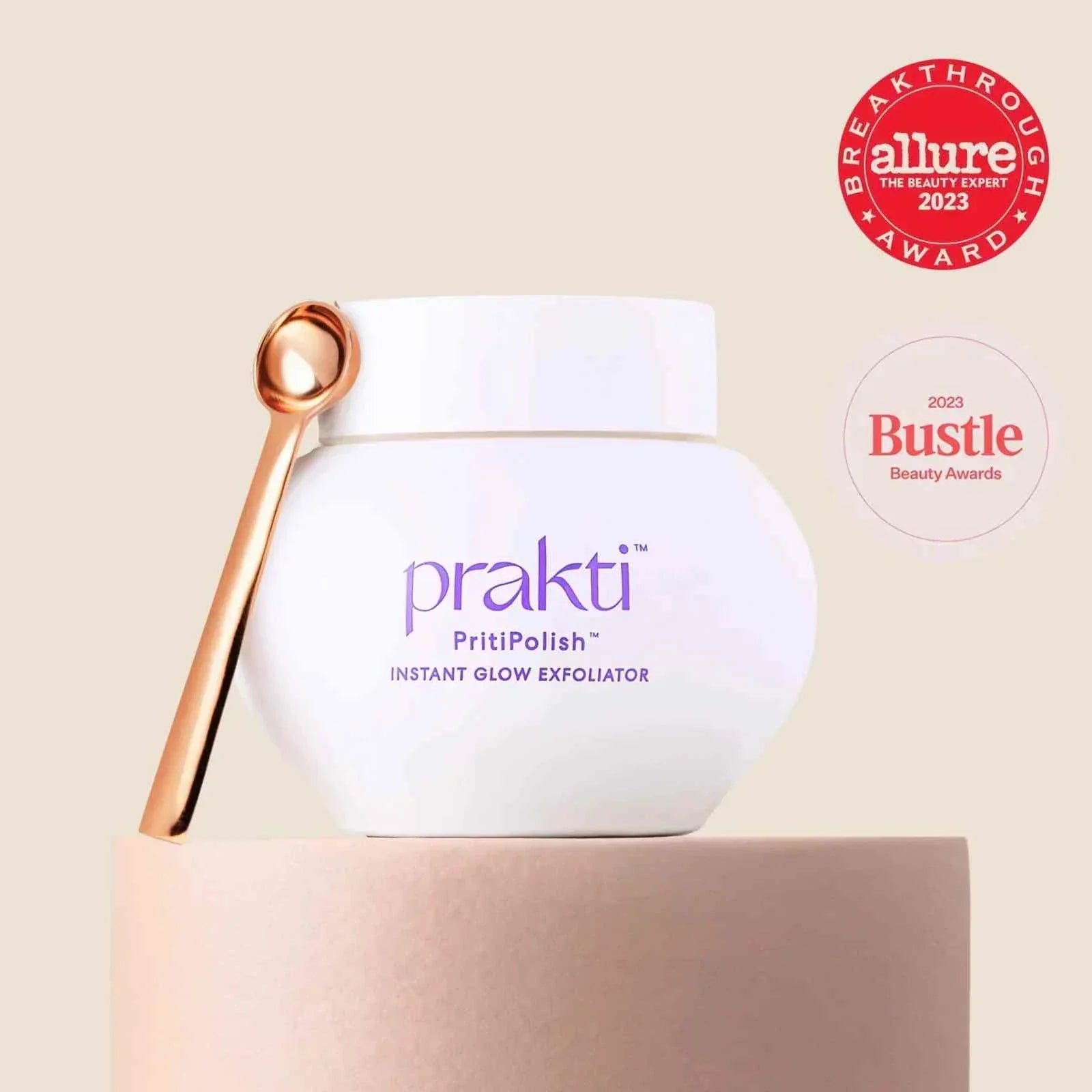
Dull, congested skin usually looks like texture that will not smooth out, pores that stay “busy,” and makeup that sits weirdly no matter how much you hydrate. The trap is going harder. More scrubs. More acids. More steps. For a week you glow, then your skin turns reactive, tight, and uneven because your barrier is paying the price.
The better approach is a weekly ritual that clears buildup while keeping your barrier calm. That means controlled exfoliation, smart timing, and a recovery plan built into the routine. You do not need daily abrasion to get clarity. You need consistency, not intensity.
Below is a simple, repeatable method you can run every week without guessing. It is designed to reduce congestion while avoiding the “over-exfoliated” cycle that can increase sensitivity and water loss from the skin. TEWL can rise significantly after repeated barrier disruption like tape stripping, which is exactly what aggressive exfoliation mimics when overdone.[1]
| Goal | This Ritual Clear congestion + keep barrier steady | Harsh Scrubs Instant smooth feel, higher irritation risk | High % Acids Fast turnover, can push sensitivity if overused |
|---|---|---|---|
| Feel on sensitive skin | Comfort-first, designed to avoid burning or rawness | Can feel scratchy, may trigger redness | Can sting if barrier is compromised |
| Barrier impact | Includes recovery steps so you do not “strip and leave” | Often removes too much at once | AHAs can cause barrier disruption and increased TEWL when reactions occur[2] |
| Best frequency | 1 time per week (2 max if oily and resilient) | Usually not ideal weekly if skin is reactive | Depends on strength; overuse is common |
Bottom line: If you want long-term clarity, your routine needs a “calm-down plan” built in, not just removal.

1) Why “Dull + Congested” Skin Happens (And Why More Scrubbing Backfires)
Congestion is not just “dirty pores.” It is a buildup problem. Dead cells, oil, and product residue cling together, then sit in the opening of the pore. If you have oily areas, that mixture thickens faster. If you are dry, the surface can harden and trap buildup underneath. Either way, you get texture that looks like tiny bumps and makeup that breaks apart by midday.
Scrubbing feels like the obvious fix because it gives instant smoothness. The issue is the rebound. When skin is irritated, it often produces more sensitivity, more tightness, and sometimes more oil as compensation. You end up exfoliating again because you think you are “still congested,” but the real issue is you are inflamed.
A smarter goal is controlled removal that keeps the stratum corneum stable. That matters because when the barrier is disrupted, transepidermal water loss rises and skin becomes more reactive to actives, friction, and even water temperature. This is why “more exfoliation” can look like progress for a few days, then crash into redness and patchy dryness. [1]

2) The Weekly Exfoliation Rhythm That Clears Pores Without Redness
Most people fail exfoliation because they only think about the exfoliation day. The win is the rhythm around it. A good weekly plan has three phases: prep, exfoliate, recover. If you skip recovery, you get sensitivity. If you skip prep, you exfoliate through buildup and need more force. That is how damage starts.
Here is the simplest rhythm: one exfoliation session weekly, one “support” cleanse midweek, and daily barrier-friendly hydration. If your skin is oily and resilient, you can do two exfoliation sessions weekly. If you are sensitive or barrier-impaired, start with one and keep it gentle.
Keep the goals narrow each week. You are not trying to remove every rough patch in one wash. You are trying to reduce total buildup over time so your skin stays consistently clear. Slow progress that stays stable beats fast glow that turns into burning.
3) The 10-Minute Weekly Ritual (Short Steps, High Impact)
Step 1: Warm rinse + gentle cleanse (60 seconds). Use lukewarm water. Hot water can amplify redness and post-exfoliation tightness. Cleanse lightly so you are not exfoliating through sunscreen and makeup residue.
Step 2: Exfoliate gently (60 to 90 seconds). Use a small amount, light pressure, and focus on congestion zones: sides of nose, chin, between brows. Stop if you feel heat, burning, or a “raw” sensation. Exfoliation should feel like polishing, not sanding.
Step 3: Rinse and pat dry (20 seconds). No rubbing. Friction is a hidden irritant that stacks with exfoliation.

Step 4: Calm and replenish (2 minutes). Apply a hydrating layer right away. This is the “don’t skip” part. Barrier stress is what turns exfoliation into redness.
Step 5: Seal with a simple moisturizer (2 minutes). You are not trying to stack ten actives. You are trying to lock in comfort so you wake up smoother instead of sensitized.
Step 6: Next-day rule. No strong acids, no retinoids, no harsh masks the next day. If you do, you stack irritation and teach your skin to stay reactive. This is where many routines fail.
4) If You Are Oily and Congested: Your “Two-Track” Week
Oily skin needs removal, but it also needs consistency. If you only exfoliate when you “feel gross,” oil and dead cells accumulate for too long, then you overcorrect. That creates a cycle of shine, scrub, irritation, then even more shine.
Track A (Exfoliation day): do the ritual once weekly, and keep everything else minimal. Your skin should feel clean and calm afterward, not squeaky.
Track B (Midweek support): one gentle polish cleanse midweek helps keep buildup low so you are not relying on force. Think of this as maintenance, not another “deep treatment.”
Also, if you are using strong acne products, reduce exfoliation frequency instead of trying to “power through.” In clinical skincare, stacking irritation is what triggers barrier disruption and increased sensitivity, which can show up as more visible redness and discomfort. [2]

5) If You Are Sensitive: How to Exfoliate Without Redness
Sensitive skin is not “weak.” It is just easily reactive. The biggest mistake is copying routines built for oily, resilient skin. If you have redness, tightness, or stinging, your exfoliation must be lighter, shorter, and paired with a recovery plan.
Use the “two yes” rule: you can exfoliate only if your skin has had two calm days in a row. Calm means no stinging, no flaking patches, no new sensitivity. If you do not have two calm days, you focus on barrier support instead of exfoliation.
Shorten contact time: 30 to 45 seconds is enough. Sensitive skin does not need longer. Longer just raises the risk of irritation.
Avoid stacking: do not use strong acids, retinoids, or hot showers right after exfoliation. Barrier disruption increases transepidermal water loss, which is why skin can feel tight and reactive if you push too hard. [1]
6) The “Proof You’re Doing It Right” Checklist
If your ritual is working, you will notice results that are practical, not just cosmetic. Your skin will feel smoother even before you apply moisturizer. Your makeup will sit more evenly. Your pores will look less “busy.” Most importantly, you will not feel like you need to exfoliate again tomorrow.
Green flags: less texture at the end of the week, fewer clogged spots, calmer tone, and products absorb without stinging. You should feel a controlled improvement, not a dramatic peel.
Red flags: burning, heat, shiny tightness, flaking that appears 24 to 48 hours later, or sudden sensitivity to products you normally tolerate. If you see these, pause exfoliation and prioritize recovery.
Research citations used in this article:
[1] Acute skin barrier disruption with repeated tape stripping (TEWL increases)
[2] Topical AHA in Dermatology (barrier disruption can raise TEWL and sensitivity)