A weekly “skin reset” can be one of the best things you do for glow, clarity, and softness. It can also be the fastest way to wreck your barrier if you treat masks like a punishment session. The most common mistake is stacking too much: strong cleanse, scrub, acid mask, clay mask, then a “brightening” serum because you want results.
That routine feels productive, but it often creates a cycle: your face looks smoother for a day, then it gets tight, textured, and reactive. You respond by masking again. Now you are chasing glow with irritation.
The smarter approach is simple. A weekly reset should do three jobs only: remove buildup gently, calm inflammation, and restore hydration so the barrier holds water better afterward. Barrier function matters because when it is disrupted, irritants penetrate more easily and water loss increases, which makes skin feel dry and sensitive at the same time.1
| Reset style | What you do | What it feels like | What it leads to |
|---|---|---|---|
| Barrier-safe reset | Gentle cleanse → mask (one purpose) → hydrate → seal | Comfortable, calm, soft | Glow that lasts and fewer reactive days |
| Over-exfoliating reset | Strong cleanse → scrub/acid → clay → more actives | Hot, tight, “too clean” | Redness, bumps, dryness, rebound oil |
| Random mask stacking | Switching masks weekly with no baseline routine | Unpredictable | No progress, more sensitivity |
| Targeted reset | Pick one goal: calm or clarify, then recover | Stable and controlled | Better tone, smoother texture over time |

Why people over-exfoliate with masks (even when they think they are being gentle)
Over-exfoliation is rarely one dramatic mistake. It is usually a “little bit too much” repeated weekly. A cleanser that strips, plus a mask that pulls, plus a serum that tingles. None of them are catastrophic alone, but together they push the barrier into stress.
One reason this is so common is that many “glow” sensations feel like proof. Tingling feels like activation. Tightness feels like cleanliness. Heat feels like circulation. But your barrier does not measure progress by sensation. It measures progress by stability and moisture retention.
If you want a weekly reset that improves skin long-term, the goal is not maximum removal. The goal is controlled renewal followed by recovery.

The 5-minute rule for safe masking
If your mask routine turns into a 45-minute ritual every week, you will eventually do too much. A barrier-safe reset is short and repeatable. Use this simple rule: cleanse, mask, recover. No extra punishment steps.
Step 1: Cleanse gently and stop early
Cleanse just enough to remove sunscreen, makeup, and surface grime. Do not chase squeaky-clean. Tightness is not the goal. Comfort is.
Step 2: Choose one mask purpose
Pick one: calm and hydrate, or clarify and refine. Do not combine multiple “work” masks in the same reset unless your skin is extremely tolerant and you have a proven routine.
Step 3: Recover immediately
Hydrate and seal right after rinsing. Humectants like glycerin are widely used to support hydration in the stratum corneum, but they work best when paired with a seal step so water does not evaporate right away.2

Pick your weekly reset based on what your skin is doing right now
The best mask is not the strongest one. It is the one that matches your current skin state. Weekly resets should be flexible: you do not need the same type of mask every week.
If your skin feels tight, itchy, or “reactive”
This is a barrier-first week. Choose a calming mask, keep the cleanse gentle, and avoid exfoliation. Your best “glow” outcome is comfort and a smoother-looking surface.
If your skin looks dull and congested but not irritated
This is a controlled clarity week. You can use a clarifying step, but keep the rest of the routine simple. Do not stack it with multiple actives the same day.
If you are breaking out but also dehydrated
This is where people mess up. They attack the breakout with harsh masks and strip the barrier more, which can make inflammation worse. Your reset should focus on gentle cleansing and balanced hydration, then targeted treatment on separate nights.

The “do not do this” list that prevents over-exfoliation
Do not mask on the same night as strong exfoliation. If your mask is clarifying, make that the only “work” step.
Do not scrub before a mask. Scrubbing creates micro-irritation, and then the mask sits on compromised skin. That is how redness becomes your new normal.
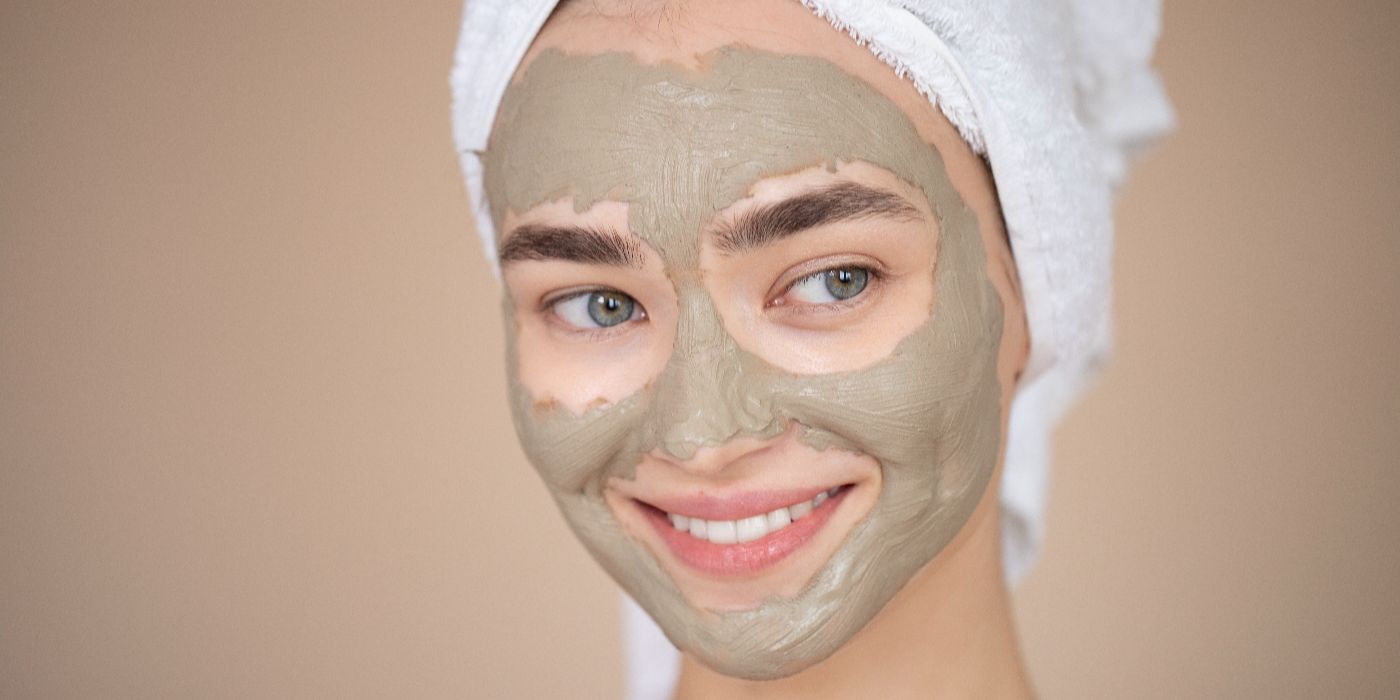
Do not leave masks on until they feel tight and dry. That “cracked clay” feeling is not a win. It often signals dehydration and barrier stress.
Do not layer five serums after masking. The best post-mask routine is hydration plus a seal. Keep it boring. Boring is what heals.

The weekly reset schedule that actually improves your baseline
Here is a simple schedule that keeps your barrier stable. You are not doing more. You are doing the right thing at the right time.
Week A: Calm reset (most weeks)
- Cleanse gently
- Mask for comfort and softness
- Hydrate
- Seal
Week B: Clarity reset (when you feel congested)
- Cleanse gently
- One clarifying mask only
- Hydrate
- Seal
The hidden win is recovery. When you recover well after a mask, you need fewer harsh steps to get the same glow later.
How to tell you are masking correctly
Your skin should feel calmer after masking, not more “awake.” You should be able to apply moisturizer without stinging. Your face should not flush for hours. Your cheeks should feel softer the next morning, not rougher.
A good reset also improves how your products behave afterward. Hydration sinks in better. Your seal step feels lighter. Makeup looks smoother. Your skin stops craving constant “brightening” because the baseline is healthier.
If masking makes you feel like you need to repair damage afterward, the mask routine is not a reset. It is the damage.
The bottom line
A weekly skin reset should make your skin easier to live with. Not more sensitive. Not dependent. Not constantly swinging between “smooth today” and “irritated tomorrow.” The safest reset is short, targeted, and followed by immediate recovery.
If you want glow that improves over time, stop treating masks like exfoliation sessions. Use one mask purpose at a time, keep cleansing gentle, and lock in hydration afterward with a seal step. That is how you get the “fresh” look without paying for it with redness.
How often should I use a face mask if I have sensitive skin?
Most sensitive skin does best with one mask session per week, focused on comfort and hydration. If you are using any exfoliating acids or retinoids, keep your weekly reset gentle and avoid stacking “work” products on the same night. If you notice stinging or redness after masking, reduce frequency and simplify.
Can I use an exfoliating mask every week?
You can, but only if your skin stays stable. A safe approach is to alternate: most weeks do a calming reset, and only use a clarifying or exfoliating reset when you feel genuinely congested. If you get tightness, roughness, or sensitivity, your frequency is too high.
Why does my face feel tight after a clay mask?
Tightness often means you removed too much oil and water from the surface, which can stress the barrier. The fix is not more exfoliation. It is recovery: hydrate and seal immediately after rinsing. If tightness is consistent, shorten wear time or choose a more comfort-led mask routine.
What should I apply after rinsing a mask?
Hydration first, then seal. Humectants like glycerin are used to support hydration in the outer layer of skin, but they work best when followed by a moisturizer that helps reduce moisture loss.2 Keep it simple so your barrier can settle.
How do I know if I over-exfoliated from my weekly routine?
Signs include stinging when you apply basic products, redness that lasts, tightness after cleansing, and texture that rebounds rougher than before. If this happens, pause exfoliation for 10 to 14 days and use a barrier-first reset: gentle cleansing, hydration, and sealing only.
Can I mask on the same day as retinoids or exfoliating acids?
If your mask is calming and your skin is stable, it can be fine. But if the mask is clarifying or exfoliating, it is safer to separate by nights. Stacking multiple “work” steps in one day increases the chance of barrier stress and sensitivity.