There is a reason your skin looks unfairly good after a facial. It is not magic. It is a sequence. A facial stacks a few simple actions in the correct order: cleanse thoroughly, soften and lift dead skin, decongest pores, flood skin with hydration, then seal the barrier so everything stays put.
Most at-home routines fail because people copy the “products” but not the structure. They buy a mask and expect a facial-level result, then wonder why the glow disappears by the next morning. A glow that lasts is almost always a barrier-and-hydration issue, not a “more exfoliation” issue.
The good news is you can replicate the parts that actually matter at home. You do not need machines. You need a clean cleanse, one controlled exfoliation step, and a hydration seal that prevents rebound dryness. Do that weekly and your skin starts to look “post-facial” more often than not.
| Why skin looks brighter | Surface buildup is reduced and light reflects more evenly. | Gentle exfoliation + thorough cleansing in the right order. | Over-exfoliating and skipping hydration follow-up. |
|---|---|---|---|
| Why pores look smaller | Congestion is softened and lifted; oil looks more controlled. | Short mask time + non-stripping cleanse. | Stripping cleansers that trigger rebound oil. |
| Why skin feels “bouncy” | Hydration level rises and barrier holds water longer. | Hydration + barrier support after treatment. | Masking without sealing, so water escapes fast. |
Barrier note: the stratum corneum barrier regulates water loss, commonly assessed via TEWL in skin research. Source

The 5 Things a Facial Does That Your Routine Usually Does Not
To replicate a facial, you need to replicate the “why.” A good facial is basically five steps done well, without rushing, and without stripping the barrier.
1) It removes buildup completely
Oil, sunscreen, makeup, and environmental debris form a film. When that film stays on the skin, it dulls tone and blocks hydration steps from absorbing evenly. A facial starts by removing this thoroughly, which immediately improves how skin reflects light.
2) It softens the top layer before exfoliating
Facials often use warm steam or time under a mask to soften dead skin. This matters because softened buildup lifts with less force. At home, most people exfoliate dry skin aggressively, which causes micro-irritation and redness.
3) It decongests without traumatizing
Extractions are controlled. The goal is removing what is ready, not forcing every pore to empty in one session. Forced extractions can trigger inflammation and post-treatment bumps.
4) It floods skin with hydration after the “work”
Hydration after exfoliation is not optional. It is the step that makes the glow look smooth instead of shiny. Water-binding humectants like glycerol are widely discussed in skin hydration research because they improve stratum corneum hydration. Source
5) It seals the barrier
Barrier support is what makes results last. Without a sealing step, water loss increases and your skin can rebound with oil or irritation. That is why glow often fades by the next day when the barrier is left exposed.

The At-Home “Facial Glow” Routine You Can Repeat Weekly
This is the routine that gives you the closest thing to a professional “reset” while staying barrier-safe. The key is shorter steps, clean order, and no overdoing.
Step 1: Cleanse properly (60 seconds, not 10)
- Massage cleanser for a full minute, especially around nose and chin.
- Use lukewarm water. Hot water increases tightness for many people.
- Pat dry gently. Do not rub.
Step 2: Exfoliate gently (30–45 seconds)
- Use light pressure with small circles.
- Avoid the eye area.
- Stop the moment skin feels smooth, not raw.
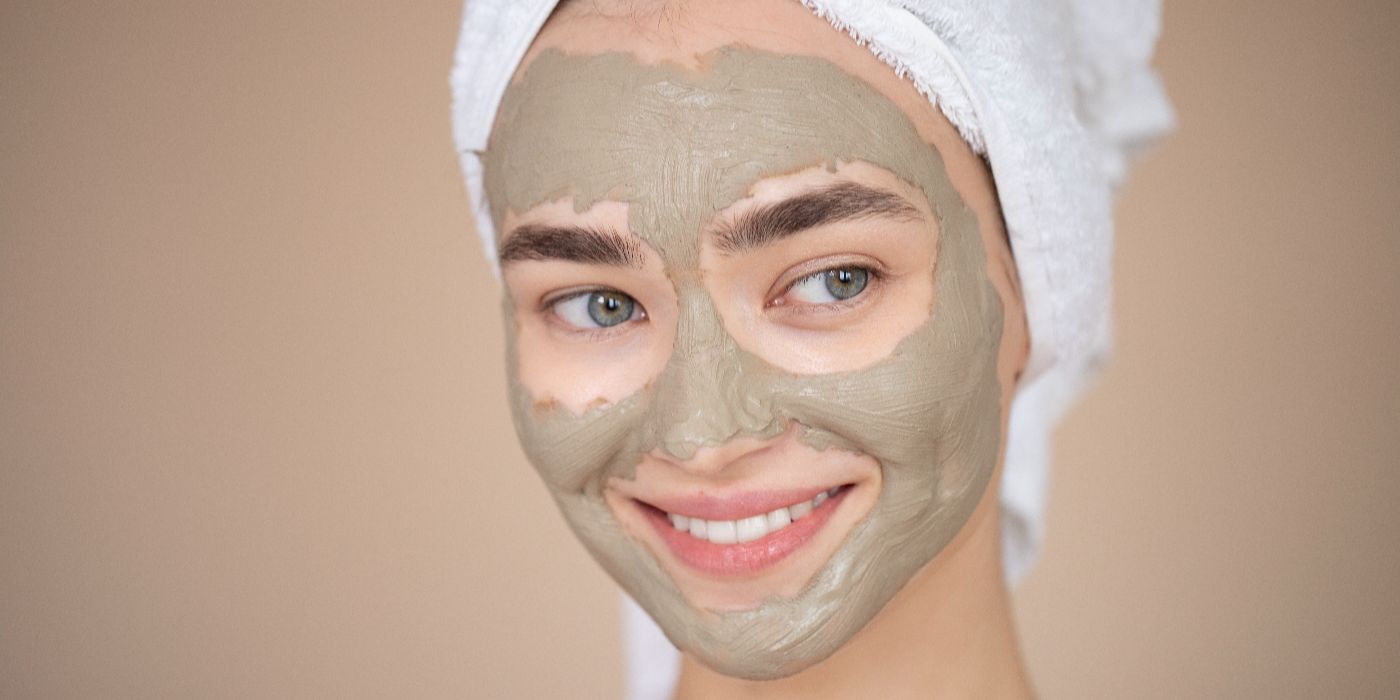
Step 3: Mask based on what your skin needs (10 minutes max)
- If congested, use a short clay mask time.
- If tight or dry, choose hydration and comfort.
- Remove before anything feels overly dry or tight.
Step 4: Hydrate and seal (2 minutes)
- Apply hydration-focused serum on slightly damp skin.
- Seal with a barrier-support moisturizer.
- Skip strong actives that night.

Why This Works Better Than “Random Mask Nights”
The difference is sequencing. A facial works because steps support each other. Cleanse makes exfoliation smoother. Exfoliation makes hydration absorb more evenly. Hydration makes the barrier calm. A calm barrier is what keeps glow from turning into redness.
Also, short controlled time matters. Skin does not reward “punishment.” It rewards consistency and smart recovery. Overworking your skin makes it reactive, and reactive skin rarely looks bright.
How to Customize This for Your Skin Type
If you are oily and congested
- Prioritize thorough cleansing and short clay mask time.
- Do not skip hydration. Hydration prevents rebound oil.
If you are dry or tight
- Keep exfoliation very light and less frequent.
- Use hydration mask focus and a richer seal.
If you are sensitive
- Reduce exfoliation time and frequency.
- Skip extractions. Let congestion resolve gradually.
- Keep everything fragrance-light and gentle.

FAQs
How often should I do an at-home facial routine?
For most people, once a week is ideal. It is frequent enough to keep texture smooth and glow consistent, but not so frequent that you accidentally over-exfoliate. If your skin is sensitive, start every 10–14 days and keep exfoliation very light. The best schedule is the one your barrier can tolerate without tightness or redness the next day.
Why does my glow fade the next morning after masking?
Most “fast glow” fades when the barrier is not sealed. If you exfoliate or mask and then skip hydration and moisturizer, your skin loses water overnight. That water loss can make you look dull again by morning. Always follow your mask routine with hydration support and a sealing step so the results stay visible longer.
Can I do extractions at home?
Only if the congestion is clearly ready and you are gentle. Forced extractions are one of the biggest reasons people get post-routine bumps and redness. A safer approach is consistent cleansing, short clay mask time for congestion, and weekly exfoliation to gradually clear what is stuck. If it hurts, stop. Skin should not be bruised into clarity.
Should I exfoliate every time I do an at-home facial?
Not necessarily. If your skin is sensitive or dry, exfoliate less often and keep it short when you do. Over-exfoliation can increase irritation and barrier disruption, which can make your skin look worse, not better. The goal is smoother reflection and better hydration absorption, not a “scrubbed raw” feeling.
What should I avoid right after my at-home facial routine?
Avoid stacking strong acids, retinoids, or heavy fragrance immediately afterward. Your barrier is more exposed after exfoliation and masking. Keep the night simple: hydration, moisturizer, and rest. The next morning, wear sunscreen. Consistency and calm are what keep the glow going.
Bottom line: A facial works because of order, timing, and recovery. Replicate those three things at home and your skin starts to look brighter, smoother, and more even in a way that actually lasts.