Most lip routines fail for one simple reason: people treat lips like a once a day problem. But lip skin is thinner, has no oil glands, and loses water fast, which means “random swipes” never build real repair momentum.[1]
If your lips cycle through smooth for two hours then flaky again, that is not you being “bad at lip care.” That is you using the wrong timing. A true 24 hour lip repair routine works because it uses daytime layers for protection and comfort, then uses nighttime layers for deep recovery when your skin is naturally in repair mode.
This guide gives you a clean, repeatable day vs night lip routine that actually changes your baseline. Not just glossy for a moment, but healthier lips that stay soft even when you skip a reapply.

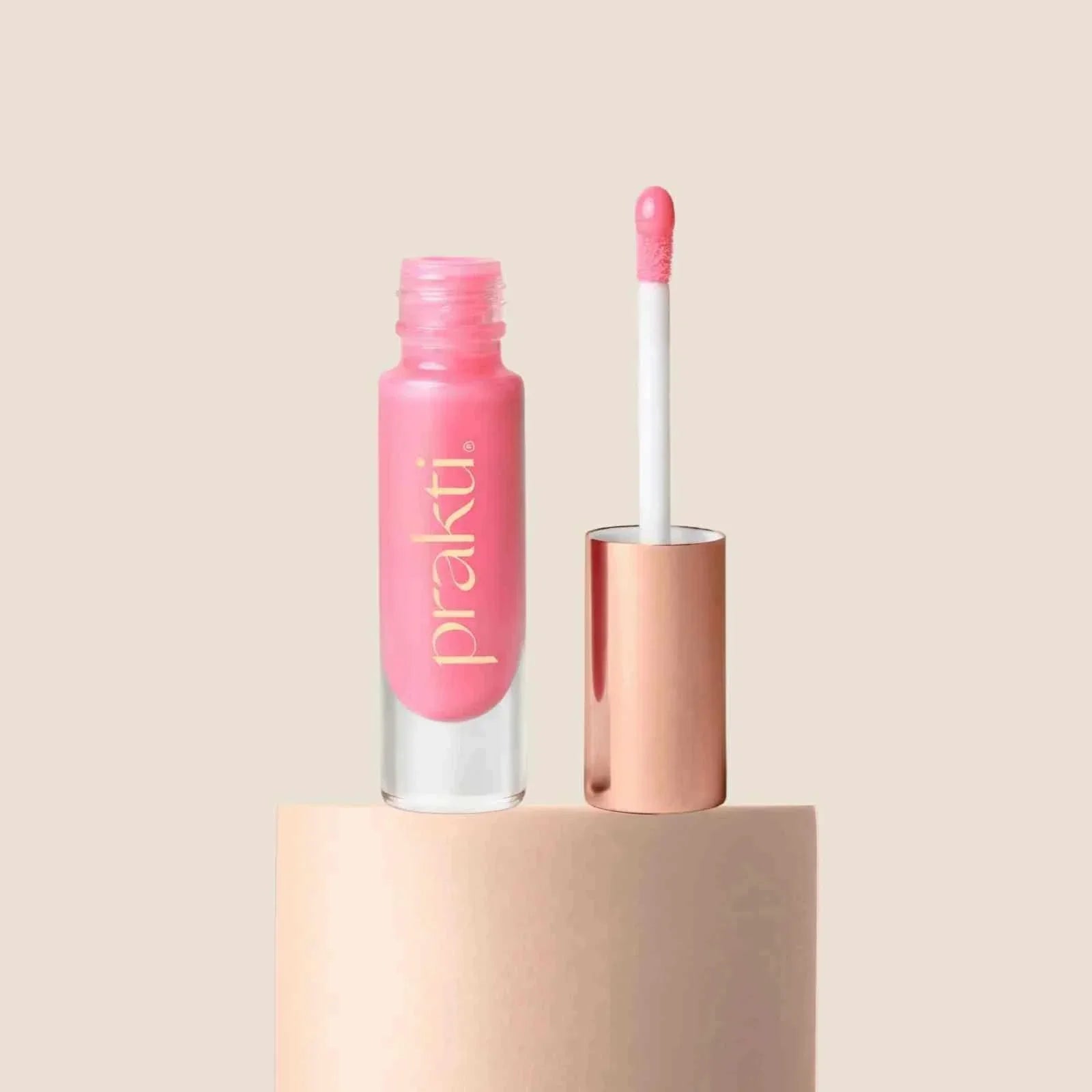
| What it does | Treatment lip oil Softens, cushions, and supports the lip barrier while giving shine | Basic balm Mainly occludes, comfort can be temporary | Sticky gloss Mostly shine and texture, not deep treatment |
|---|---|---|---|
| How it feels | Treatment lip oil Smooth slip, high shine, not gluey | Basic balm Waxy, can feel heavy, may sit on top | Sticky gloss Tacky, can cling and feel thick |
| Best use | Treatment lip oil Day protection + night repair layering | Basic balm Emergency occlusion over dry patches | Sticky gloss Cosmetic shine, short wear moments |
| Common downside | Treatment lip oil Needs consistent use for best results | Basic balm Can create “reapply dependency” if it never improves baseline | Sticky gloss Shine without repair, can feel suffocating on cracked lips |
Why Lips Need a Day Routine and a Night Routine
Think of your lips like a tiny exposed barrier that takes damage all day, then tries to recover at night. When you use the same product the same way 24 hours a day, you miss what lips actually need.
Daytime damage is mostly friction and evaporation
During the day, your lips take hits from talking, eating, wiping, makeup, and dry air. Every time you rub or blot, you remove product and disrupt the surface. Dry environments increase water loss from skin, including lip skin, which is already fragile.[2]
Nighttime repair is mostly sealing and rebuilding
At night you have fewer interruptions. Your products can sit longer, which matters because barrier support is about time on skin. The goal is to trap water and keep the surface calm long enough to stop the crack flake cycle.

The 24 Hour Lip Repair Routine (Short, Simple, Repeatable)
This routine is built for people who want soft lips without living in sticky gloss. You will do less, but you will do it at the right times.
Morning: protect the surface and stop the “tight by noon” feeling
- Rinse and reset: Splash with water and gently wipe with a soft towel. No aggressive scrubbing.
- One thin layer: Apply a thin coat of treatment lip oil. Aim for slip, not thickness.
- Makeup friendly option: If you wear lipstick, let the oil sit for 60 seconds, then apply lipstick. Tap a tiny dot of oil in the center for shine.
Midday: one intentional top up, not constant swiping
- One reapply trigger: Reapply after lunch or after your second drink, not every 30 minutes.
- Remove friction first: If you ate something oily or spicy, rinse lips and pat dry before reapplying.
Evening: remove buildup so product can actually treat
- Clean off lip product: Use a gentle cleanse step to remove lipstick, stains, and sunscreen residue.
- Pat, do not rub: Rubbing is friction and friction is damage.

Night: turn your lip oil into a repair mask
- Apply on slightly damp lips: Humectants work best when there is water to hold, so a tiny bit of dampness helps hydration stay put.[3]
- Massage for 10 seconds: Quick, gentle, just to spread evenly.
- Seal with a thicker layer: Your goal is a comfortable coating that lasts through sleep.
What Makes a Lip Oil Work Like a Treatment Instead of a Gloss
Not every lip oil is a repair product. A true treatment lip oil needs three functional jobs: soften, hydrate, and protect.
1) Softening: oils that smooth micro cracks
When lips feel rough, the surface has tiny breaks that catch lipstick and flake. Emollient oils fill those uneven spots, making lips feel instantly smoother and look more polished.
2) Hydration support: hold water so lips stay plump longer
Hydration is not just “feels oily.” Hydration means water content in the upper layers is supported and water loss is reduced. Barrier disruption is closely linked with higher transepidermal water loss, which makes lips look more lined and feel tight faster.[2]
3) Protection: reduce future damage
Protection is not about thick wax. It is about keeping your lips comfortable so you stop licking, picking, and biting. Those habits are a huge reason lips never recover.
How to Customize the Routine for Your Lip Problem
Your routine stays the same, but the pressure and frequency changes based on what your lips are doing.
If your lips are cracked and sore
- Skip exfoliation until cracks close.
- Do 2 daytime thin layers, plus a heavier night mask.
- Reduce irritants like strong fragrance, mint, cinnamon, and plumping formulas.
If your lips are tight but not cracking
- Focus on applying on slightly damp lips at night.
- Stick to one intentional midday reapply.
- Avoid licking because it creates a fast dry down cycle.
If you wear lipstick daily
- Use a thin oil layer as a base, wait 60 seconds.
- Apply lipstick, then tap oil only in the center for shine.
- Remove product fully at night so your mask can treat instead of sitting over buildup.
Common Mistakes That Kill a Lip Repair Routine
Using a scrub when lips are actively cracking: that is like sanding a wound. Repair first, polish later.
Applying product on completely dry lips at night: if there is no water present, humectants have nothing to hold. A little dampness gives better hydration retention.[3]
Thinking “more shine” equals “more hydration”: shine can be pure film. Treatment is about comfort the next morning with bare lips.
Letting daytime friction undo your progress: wiping lips aggressively with napkins, rubbing off lipstick, and picking flakes is the fastest way to reset the cycle.
The Bottom Line
A real lip repair routine is not complicated. It is timed. Protect in the day, repair at night, and keep friction low. If you do that for seven days, most people notice fewer flakes, softer lines, and less dependency on constant reapplication.
The goal is not perfect lips 24 7. The goal is a stronger baseline where your lips feel comfortable even when you are not wearing anything. That is what treatment based shine is supposed to do.
How often should I apply lip oil during the day?
Can I use lip oil over lipstick without making it slide?
Should I exfoliate lips every day for faster results?
Why do my lips get dry again right after I drink water or coffee?
How long does it take to see real lip repair?
What should I avoid if my lips are sensitive?